Many people dream of having a beautiful garden, but are put off by the maintenance it requires. Weeding, pruning, mowing, and raking leaves simply take time. Fortunately, having a beautiful garden doesn’t automatically mean you have to spend every weekend working in the garden.
With a good garden design and the right choice of materials, you can create a low-maintenance garden that looks well-kept all year round. By making smart choices in terms of plants, paving, and layout, your garden will remain organized and easy to maintain.
In this article, as experienced landscapers, we share practical tips for creating a low-maintenance garden. This way, you can fully enjoy your outdoor space without spending a lot of time on maintenance.
A low-maintenance garden is one that is designed to require minimal upkeep. This does not mean that no maintenance is needed at all, but rather that the amount of work required is limited.
A low-maintenance garden is all about making smart choices in:
● Garden Layout
● Materials Used
● Planting
● Drainage
● Maintenance Strategy
When these elements are well coordinated, the result is a garden that is not only beautiful but also practical to use.
A professional garden design always serves as the foundation for this. On the garden maintenance page, for example, it becomes clear that a good design is essential to achieving the desired result.
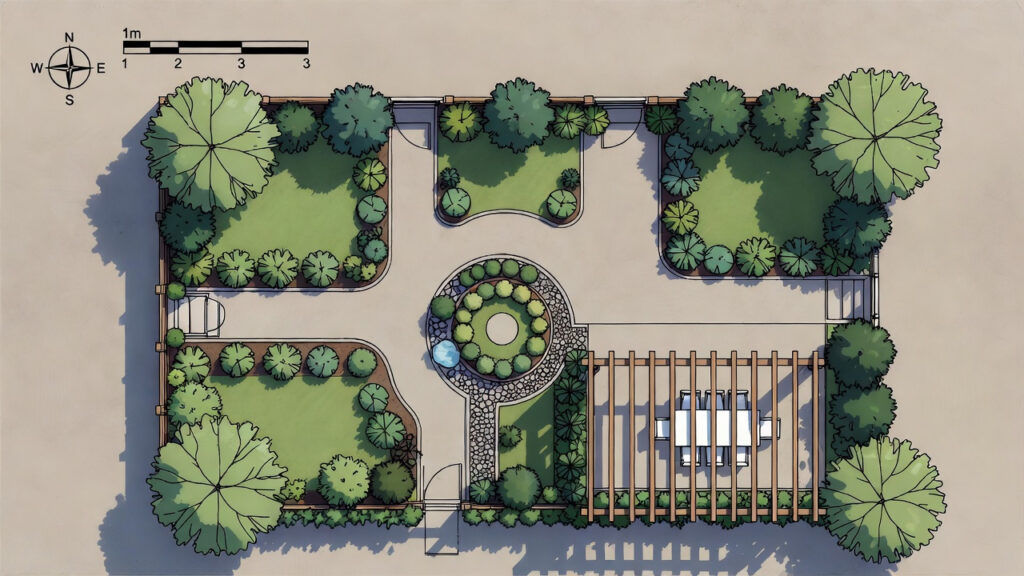
A low-maintenance garden always starts with a well-thought-out design.
If you plan your garden well, you’ll save yourself a lot of maintenance work later on. Consider, for example, the balance between plants, pavers, and lawn.
● Amount of sun and shade
● Soil type
● Drainage
● Pathways in the garden
● Desired maintenance frequency
When you have a garden designed, a landscaper can take maintenance into account right from the start. For example, read more about professional garden design.
A well-designed garden will ensure that your low-maintenance garden remains in balance for years to come.
The plants you choose largely determine how much work you’ll have to do in the garden. Some plants grow quickly, require a lot of pruning, or are susceptible to disease.
In a low-maintenance garden, we often choose hardy plants that require little care.
Perennials
Perennials come back every year and require little maintenance.
Examples:
● Ornamental grasses
● Lavender
● Sage
● Lady’s mantle
Ground Cover Plants
Groundcover plants are ideal for preventing weeds.
Popular choices:
● Pachysandra
● Vinca minor
● Creeping thyme
● Geranium macrorrhizum
Evergreen plants
Evergreen plants ensure that your garden remains attractive even in winter.
Consider:
● Yew
● Holly
● Bay laurel
● Bamboo
These plants help keep a low-maintenance garden neat and green
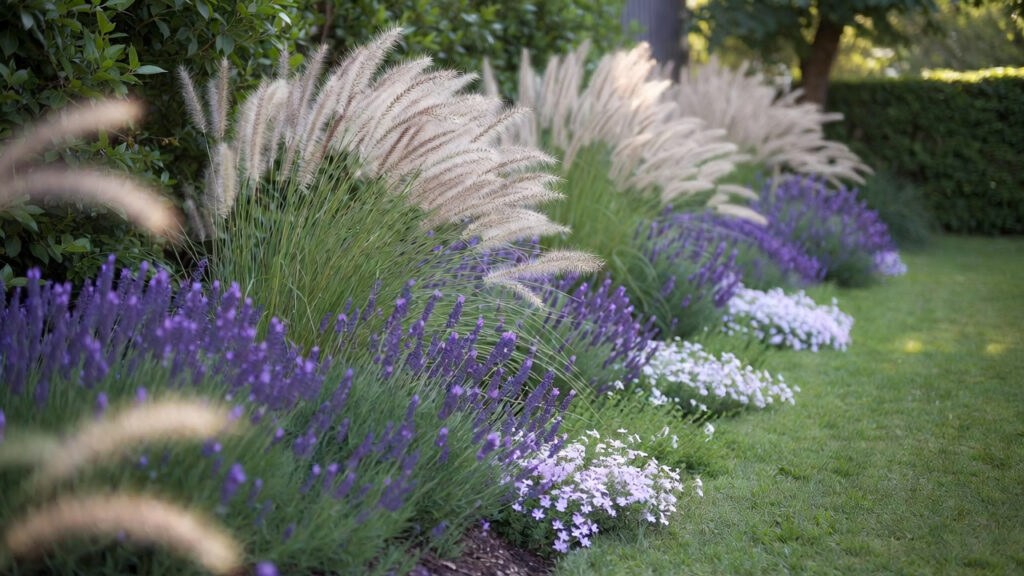
A large lawn can be beautiful, but it often requires a lot of maintenance.
Think of:
● Mowing regularly
● Fertilizing
● Aerating
● Watering
In a low-maintenance garden, many people therefore opt for a smaller lawn or alternatives such as:
● Decorative gravel
● Large pavers
● Decking
● Groundcover plants
Would you still like a lawn? If so, a landscaper can take the right grass varieties and drainage into account when designing your garden.
Paving plays a major role in a low-maintenance garden.
By using larger tiles or tightly laid pavers, you can reduce the likelihood of weeds growing between them.
Low-maintenance materials
Some good choices include:
● Ceramic tiles
● Large-format concrete tiles
● Natural stone
● Fired clinker bricks
These materials retain their beauty for a long time and are easy to keep clean.
In addition, a solid foundation helps prevent subsidence and water-related problems.
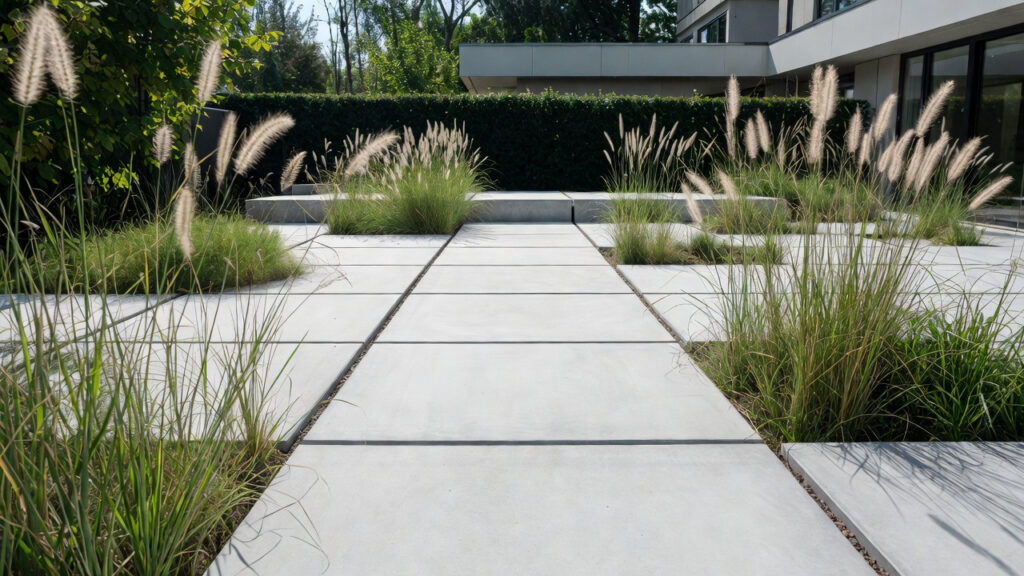
A garden with clear structures looks more peaceful and is easier to maintain.
For example:
● Neat planting beds
● Raised borders
● Permanent paths
● Clear sightlines
When a garden is laid out in a well-organized way, it takes considerably less time to maintain.
This is an important principle that landscapers often apply in both garden design and garden renovation.
Watering is one of the most time-consuming tasks in the garden.
An automatic sprinkler system can be a huge help here.
Advantages:
● Plants always get enough water
● Less manual labor
● Better plant growth
● More efficient water use
For larger gardens, this can be a significant investment in keeping the garden low-maintenance.
Even a low-maintenance garden requires some maintenance. The main difference lies in the frequency and amount of work involved.
By performing minor maintenance tasks on a regular basis, you can prevent more serious problems.
For example:
● Pruning plants
● Fertilizing
● Removing leaves
● Checking the paving
That’s why many people opt for professional garden maintenance, so their garden stays in good condition all year round.
Do you already have a garden, but does maintaining it take too much time? If so, a garden renovation might be a good solution.
During a renovation, various improvements can be made:
● Replace old plants
● Reduce the size of the lawn
● Install new paving
● Create a better layout
With relatively minor changes, an existing garden can be transformed into a low-maintenance garden.
A low-maintenance garden is created by making smart choices in design and materials.
The most important tips:
By applying these principles, your garden will stay beautiful with minimal effort.
Creating a low-maintenance garden requires professional expertise.
Do you have any questions about materials, design, or feasibility for your specific situation?
Please feel free to contact us for a no-obligation consultation. Our landscapers would be happy to work with you to design a garden that perfectly suits your needs.