Vijvertuin-Nieuw-Vennep-3

A pond in your garden

Garden Trends

A pond in your garden: The perfect eye-catcher

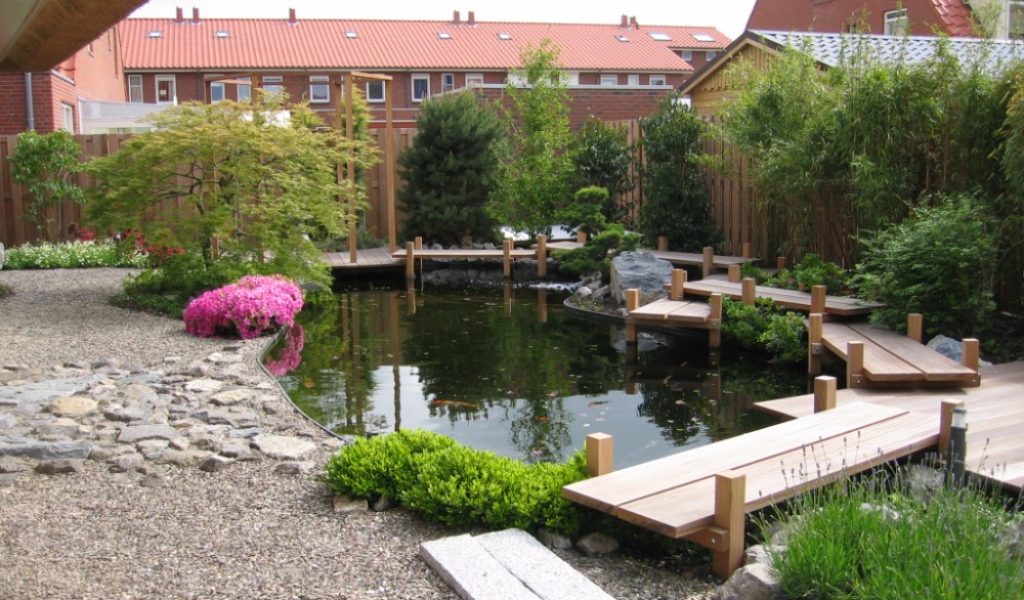
A pond in the garden creates a soothing atmosphere, increases biodiversity and adds unique character. Whether you choose a natural pond, a modern water feature or even a swimming pond, the right design and maintenance make all the difference. In this blog, we discuss the benefits of a pond, the different types, what to look out for when constructing and how best to maintain your pond.


The benefits of a pond in your garden

1. Rest and relaxation

The lapping water and the reflection of the sky create a calming effect, making your garden a place of rest and relaxation.

2. Increased biodiversity

A pond attracts animals such as frogs, dragonflies, birds and hedgehogs, contributing to a healthy ecosystem. In particular, native aquatic plants play an important role in attracting beneficial insects and birds.

3. Reduces ambient temperature

Water has a cooling effect and helps lower the temperature in the garden, especially on hot days. Evaporation creates natural cooling, making your garden feel more pleasant.

4. Increased home value

A pond increases the aesthetic value of your garden and thus can contribute to a higher home value. Thus, a pond is an investment that pays for itself.


What types of ponds are there?

Not every pond is the same. Depending on your garden and preferences, you can choose from different types of ponds:

1. Natural pond

A natural pond mimics a natural ecosystem without pumps or filters. This type of pond has a biological balance with plants that add oxygen and keep the water clear.

  • Advantages: Low maintenance, attracts many animals.
  • Disadvantages: Requires more space and patience before the ecosystem regulates itself.

2. Sleek modern pond

A modern pond often has clean lines and can be integrated into a minimalist garden design.

  • Advantages: Stylish, combines well with lighting and fountains.
  • Disadvantages: Requires more maintenance due to the lack of a natural ecosystem.

3. Koi pond

A pond specifically designed for keeping koi carp. This type of pond needs powerful filtration to keep the water clean and oxygenated.

  • Advantages: Luxury appearance, koi carp can become tame.
  • Disadvantages: High maintenance costs and water quality must be constantly monitored.

4. Swimming pond

A combination of a pond and a natural swimming pool, without the use of chlorine. This type of pond purifies itself through special plants and filter systems.
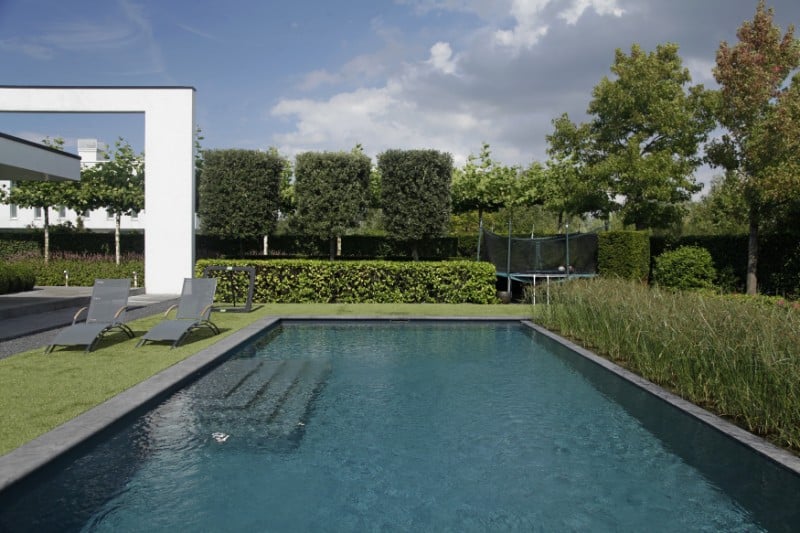
  • Benefits: Sustainable, natural swimming water without chemicals.
  • Disadvantages: Higher construction costs and requires adequate space.

swimming pond

What should you pay attention to when building a pond?

1. Site selection

The location of your pond largely determines how well it functions. Choose a spot where your pond will get at least 4 to 6 hours of sunlight a day, but avoid full sun to avoid excessive algae growth.

2. Size and shape

  • A larger pond has a more stable ecosystem and requires less maintenance.
  • Choose a shape that suits the style of your garden (sleek and geometric or natural and organic).

3. Materials and finishing

  • Pond Liner: Flexible and suitable for various shapes. Choose EPDM film because of its long service life.
  • Prefabricated pond boxes: Useful for smaller ponds and easy to install.
  • Natural stone or wood finish: Gives a stylish look.

4. Water quality and filtration

A filtration system helps keep water clear. Biological filters, such as a helophyte (plant) filter, are an environmentally friendly option.

5. Pond planting

Oxygen plants and marsh plants are essential for a healthy pond. Choose native species such as:

  • Water lily (Nymphaea) for shade and decoration.
  • Crabweed (Stratiotes aloides) as an oxygen plant.
  • Yellow iris (Iris pseudacorus) for a natural look.


How do you maintain a pond?

Proper maintenance prevents problems such as murky water, algae and unpleasant odors. These tips will keep your pond in top condition:

Seasonal maintenance

  • Spring: Remove leaves and twigs, add new oxygen plants and check water quality.
  • Summer: Check water level and top up with rainwater if necessary. Prune plants and remove algae if necessary.
  • Autumn: Place a pond net to catch falling leaves.
  • Winter: Make sure that part of the water surface remains open for gas exchange, for example with an ice freezer .

Algae grows due to excess nutrients in the water. You can prevent this by:

  • Don’t feed too many fish.
  • Sufficient oxygen plants to be used.
  • Maintain a good balance between sun and shade.


Inspiration and professional advice

Want a pond in your garden, but don’t know where to start? At StukArt Gardens we are happy to help you. Curious about the possibilities? Feel free to contact us andlet our experts advise you!
What happens at stukart

Read more blogs!

Kid-friendly garden project: pizza garden

Blogs

6 steps to the perfect decking in your garden

How To

Garden maintenance in January: Tips for a healthy garden

Maintenance calendar

Suffering from slugs and snails? How to keep your garden beautiful

How To

Seasonal garden maintenance guide

Blogs

Inspiration for a country garden

Garden Trends