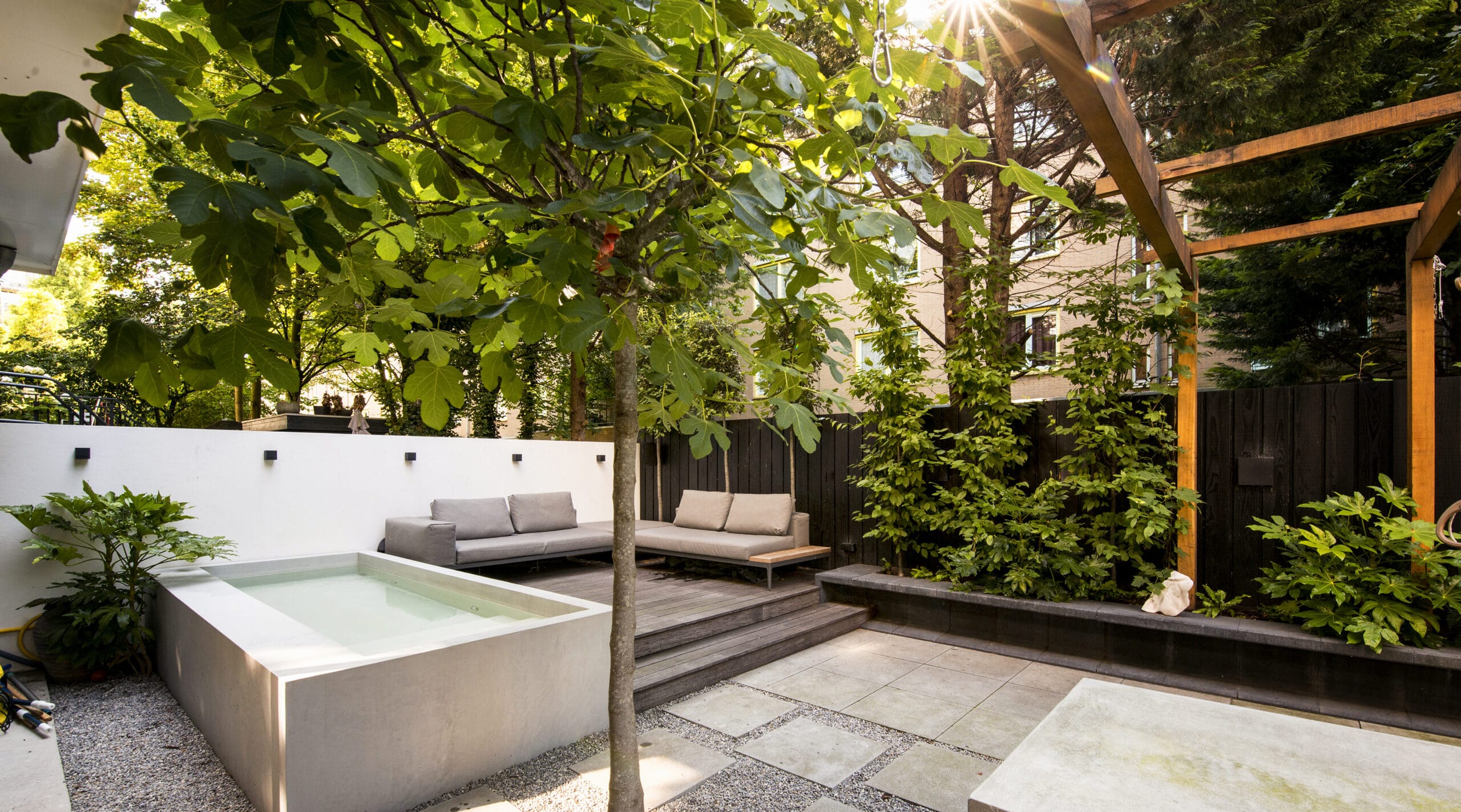
Garden lighting is an essential part of a well-designed garden. It not only enhances the atmosphere, but also contributes to the safety around your home. With appropriate garden lighting, you make the most of your garden even after dark, in an atmospheric and safe way.
Garden lighting helps you move safely through the yard and makes your home less attractive to burglars. Consider lights along paths or near the back door. Motion sensors offer added convenience and security.
For paths and driveways, it’s best to choose bright, low lighting that makes walking directions clear. Consider ground spots or low floor lamps. These ensure that you always have good visibility without glare.
On the terrace, warm white light is ideal for a cozy atmosphere. Lanterns, wall lamps or table lamps create a pleasant setting here. In borders, small spotlights or pin spots work well to gently illuminate certain plants.
Want to make certain elements in your garden stand out? Then use accent lighting. With this, you can beautifully highlight a tree, artwork or water feature, for example.
The IP rating indicates the extent to which a lamp is resistant to water and dust. For outdoor use, a minimum of IP44 is recommended. For lights placed lower to the ground or near sprinkler water, it is best to choose IP65 or higher.
A good lighting plan will help you strike the right balance between atmosphere and functionality. Decide in advance which areas you want to illuminate and for what purpose. Also consider light pollution and shadows.
When installing garden lighting, safe connections are essential. Preferably use outdoor cables (YMVK-as) and waterproof connections. A low-voltage system (12V) is easier to install and safer for do-it-yourselfers. For 230V, it is advisable to hire an electrician.
Overlighting is more common than you think. Too bright light can be distracting and detract from the atmosphere. Aim lamps carefully and avoid direct view of the light source.
Lighting works with contrast. Playing with shadows and reflections creates depth. Avoid light shining against windows or causing unwanted glare.
Sensors ensure that lights are on only when needed. This saves energy and extends the life of your lights. Time switches or twilight switches can also come in handy.
Choose fixtures made of durable materials such as stainless steel or aluminum. Combine this with LED lighting for longevity and a lower carbon footprint.
With the right garden lighting, you turn your outdoor space into a natural extension of your home. It contributes to comfort, safety and atmosphere. Take the time for a good plan and consciously choose quality. That way you will enjoy a beautifully lit garden all year round.